Sustainability in gardening is often presented as a moral stance. A list of rules to follow, products to avoid, labels to adopt. For many people, that framing is exhausting. It turns what should be a restorative practice into another arena for judgment and perfectionism. In reality, the most sustainable gardens are rarely the most vocal. They are the ones shaped by small, consistent choices that accumulate quietly over time.
Sustainability does not require a complete overhaul. It requires attention.
One of the most overlooked sustainable decisions is simply keeping plants alive longer. Replacing failed plants season after season consumes resources, time, and energy. Choosing plants that tolerate your actual conditions — rather than idealized ones — reduces waste more effectively than any eco-branded solution. A plant that thrives without constant intervention is doing sustainability work on your behalf.
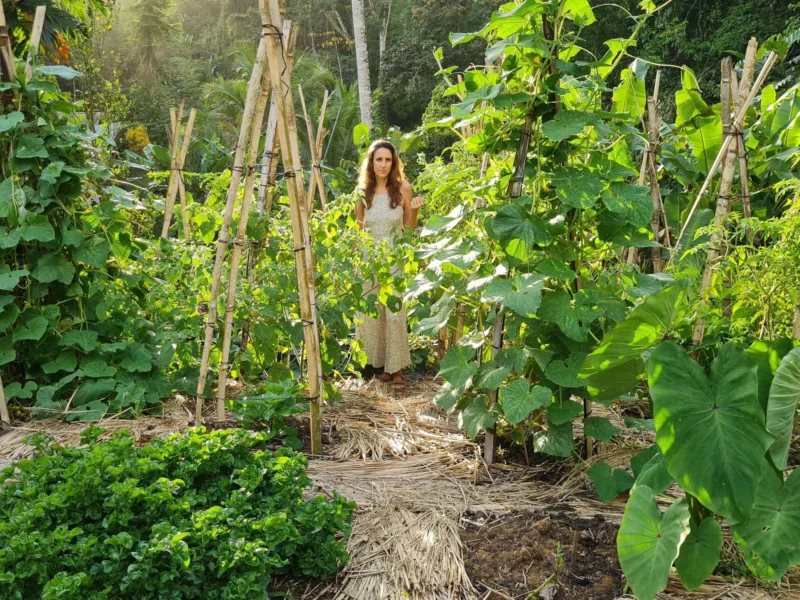
Soil care is another area where small choices compound. Leaving roots in place after harvest, allowing leaf litter to remain, avoiding unnecessary disturbance — these actions support soil life that rebuilds structure and fertility naturally. Healthy soil holds moisture better, reduces runoff, and minimizes the need for amendments. None of this requires buying anything. It requires restraint.
Water use often becomes a focal point in sustainability conversations, but efficiency matters more than restriction. Watering deeply but less frequently encourages roots to grow downward, making plants more resilient to dry periods. Grouping plants with similar needs prevents overwatering some while neglecting others. Containers placed thoughtfully — sheltered from excessive wind or harsh afternoon sun — lose less moisture and demand less input.
Materials also play a role, but not in the way marketing suggests. Reusing containers, repurposing broken pots for drainage, and choosing durable tools over disposable ones reduce waste without requiring ideological commitment. A weathered container that lasts ten years is more sustainable than a biodegradable one replaced annually.
Sustainability shows up clearly in how gardeners respond to imperfection. Accepting cosmetic damage, uneven growth, or seasonal dormancy reduces the impulse to “fix” what is not actually broken. Many interventions — excessive pruning, fertilizing, spraying — are reactions to discomfort rather than necessity. Learning to tolerate a less curated look allows ecosystems to stabilize on their own.
The holiday season offers an unexpected opportunity to practice this mindset. With attention divided and schedules full, gardens often receive less micromanagement. Many thrive under this lighter touch. Plants adapt. Soil rests. The system recalibrates. This period reveals how much intervention was habitual rather than essential.
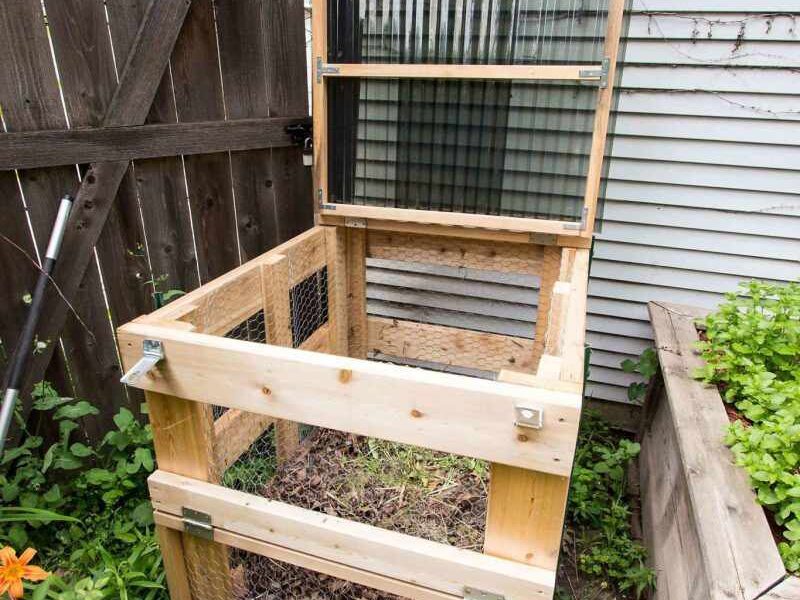
Composting, when approached simply, also reflects quiet sustainability. Kitchen scraps, garden waste, and leaf litter returning to the soil close a loop without ceremony. Even small-scale composting reduces landfill waste and enriches soil in ways packaged products cannot replicate. The impact is incremental, but steady.
Perhaps the most sustainable choice of all is slowing down. Avoiding impulse purchases, resisting trend-driven plant selections, and allowing time to observe before acting prevent unnecessary consumption. Gardens are long-term relationships, not seasonal projects. Choices made with patience tend to last longer and require less correction.
Sustainability without the sermon recognizes that gardens are not statements. They are systems. They respond to consistency more than ideology, to care more than performance. Quiet decisions — made repeatedly and without fanfare — shape gardens that endure.
In the end, sustainability is not about being seen doing the right thing. It is about building a garden that asks for less over time and gives more in return.