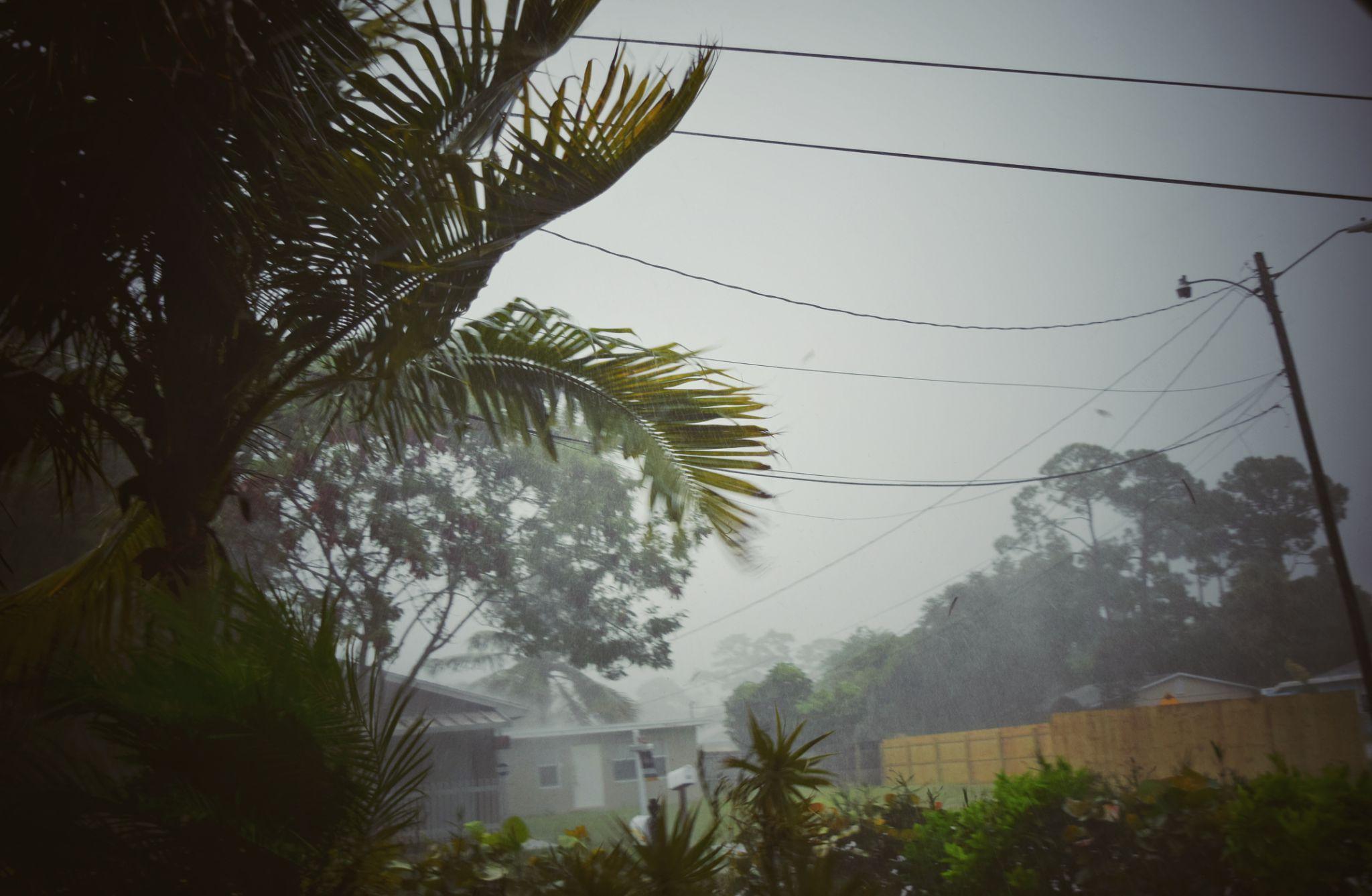
In tropical climates, rain is abundant.
Heavy downpours can soak rooftops in minutes. Instead of letting that water run off into drains, rainwater harvesting allows you to capture and reuse it for your garden.
For backyard growers — especially those gardening in containers on concrete patios — rainwater can become a sustainable, cost-effective resource.
Here’s how to get started.
Why Harvest Rainwater in the Tropics?
Tropical regions often experience:
- Intense seasonal rainfall
- High evaporation rates
- Periods of dry heat between storms
Collecting rainwater helps stabilize water supply during dry spells.
It also reduces dependence on municipal water and lowers utility costs.
Rainwater is naturally soft and free from many chemicals found in treated tap water, making it ideal for plants.
Step 1: Choose a Collection Point
The simplest rainwater harvesting system uses your roof.
Rain flows into gutters and downspouts. By attaching a rain barrel at the base of a downspout, you can redirect water into storage instead of the ground.
Key components include:
- Gutters in good condition
- A downspout diverter
- A sealed rain barrel with lid
- A spigot near the bottom
Ensure the barrel is positioned on stable, level ground.
Step 2: Use a Covered, Sealed Container
In tropical climates, standing water can attract mosquitoes.
A tight-fitting lid and screened inlet prevent pests from entering.
Choose containers made of:
- UV-resistant plastic
- Food-grade barrels
- Commercial rain tanks
The goal is secure storage without contamination.
Step 3: Add Overflow Protection
Tropical rainstorms can fill barrels quickly.
Without overflow planning, water can pool near foundations or flood small patios.
Install an overflow hose or pipe to direct excess water safely away from structures.
Planning for heavy rain is essential in warm climates.
Step 4: Keep It Clean
Leaves and debris from roofs can enter the system.
To maintain water quality:
- Clean gutters regularly.
- Use a leaf screen at the inlet.
- Rinse barrels periodically.
For garden use, advanced filtration is not usually required. But cleanliness reduces odor and buildup.
Step 5: Use Water Efficiently
Collected rainwater is ideal for:
- Container gardens
- Raised beds
- Ornamental plants
- Lawn spot-watering
In tropical heat, watering early in the morning maximizes absorption and reduces evaporation.
Rainwater stored in shaded barrels stays cooler, which benefits plant roots.
Step 6: Consider Expansion
If your garden grows, your harvesting system can expand.
Options include:
- Linking multiple barrels
- Installing larger storage tanks
- Adding gravity-fed drip irrigation systems
Even small patios can support modest rain collection setups.
Benefits Beyond Water Savings
Rainwater harvesting supports sustainability.
It reduces stormwater runoff, which can carry pollutants into drainage systems.
It also builds resilience during dry spells when municipal water restrictions may apply.
For gardeners working on concrete surfaces, rainwater provides a natural way to nourish soil without relying entirely on tap sources.
Safety Considerations
Rainwater harvested from rooftops is generally safe for plants.
However, it should not be used for drinking unless treated properly.
If using older roofing materials, confirm they are safe for water collection.
Tropical climates offer a powerful advantage: regular rainfall.
With a simple system, you can capture that resource and put it to work in your backyard garden.
Rainwater harvesting is affordable, practical, and environmentally responsible.
In a region where rain is abundant, letting it go to waste makes little sense.
Collect it.
Store it.
Use it.
And let your garden benefit from what nature already provides.