One of the greatest advantages of living in a tropical environment is the ability to grow food all year.
There’s no long winter shutdown. No frost dates to calculate. No months of dormancy.
But year-round growing doesn’t happen automatically.
In tropical climates, the challenge isn’t cold — it’s managing heat, rain, humidity, and soil health.
Here’s how to build a garden that produces continuously in warm conditions.
Understand Tropical “Seasons”
Even without winter, tropical climates still shift.
You may experience:
- Hot, dry periods
- Heavy rainy seasons
- Slightly cooler months
- Periods of intense humidity
Each shift affects plant performance.
Year-round gardening means rotating crops based on these patterns instead of planting the same vegetables continuously.
Rotate Crops Strategically
Planting the same crop repeatedly in the same soil weakens nutrients and increases pests.
For continuous production:
- Rotate leafy greens with fruiting vegetables.
- Follow heavy feeders (like tomatoes) with nitrogen-fixing crops (like beans).
- Use herbs between larger crops to maximize space.
Rotation keeps soil balanced and reduces disease buildup.
Choose Heat-Tolerant Varieties
In tropical environments, temperature stress is constant.
Focus on crops that love warmth:
- Okra
- Eggplant
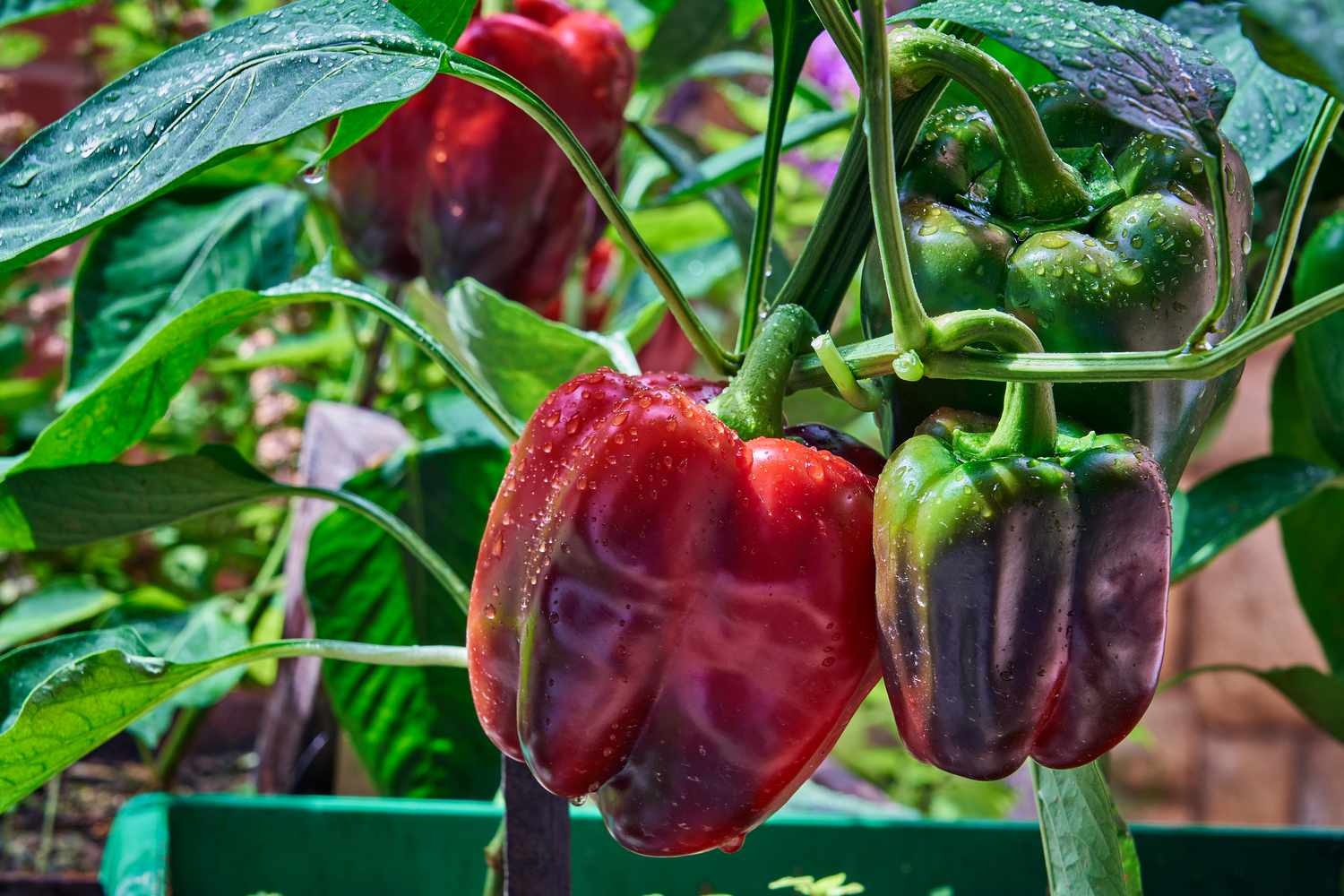
- Peppers
- Sweet potatoes
- Malabar spinach
- Callaloo
For slightly cooler months, add:
- Swiss chard
- Lettuce (heat-tolerant types)
- Arugula
- Green onions
Matching plants to climate phases keeps harvests consistent.
Build Healthy Soil Continuously
Tropical rain and frequent watering wash nutrients away quickly.
Unlike temperate regions where soil rests during winter, tropical soil works year-round.
To maintain fertility:
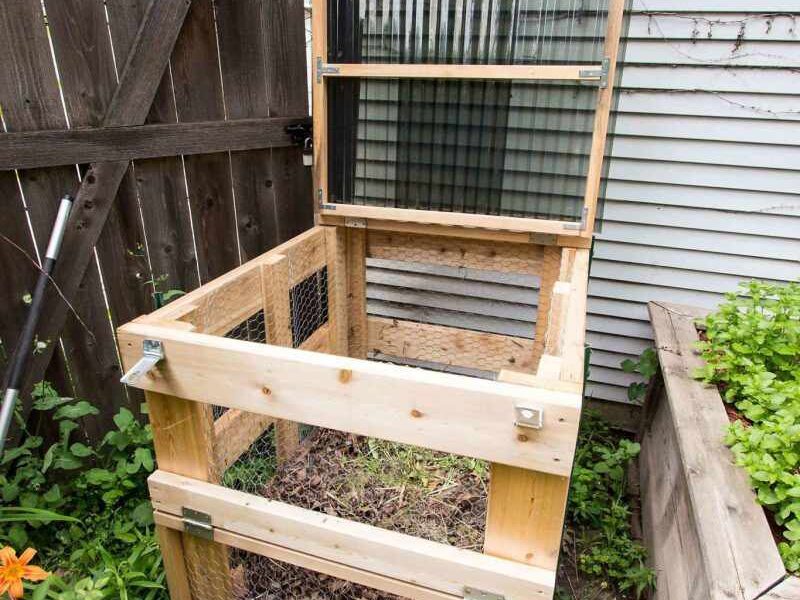
- Add compost every few weeks.
- Use organic liquid fertilizers regularly.
- Apply mulch to protect soil from erosion and overheating.
Healthy soil supports long-term productivity.
Manage Water Wisely
Heavy rain can drown roots. Dry spells can stress them.
Container gardens, especially on concrete patios, dry faster than in-ground beds.
To balance water:
- Ensure all containers have proper drainage.
- Elevate pots slightly to prevent pooling.
- Water early in the morning.
- Use rainwater when possible.
Consistency prevents shock cycles.
Use Vertical Space
Year-round gardening often means maximizing limited space.
Install:
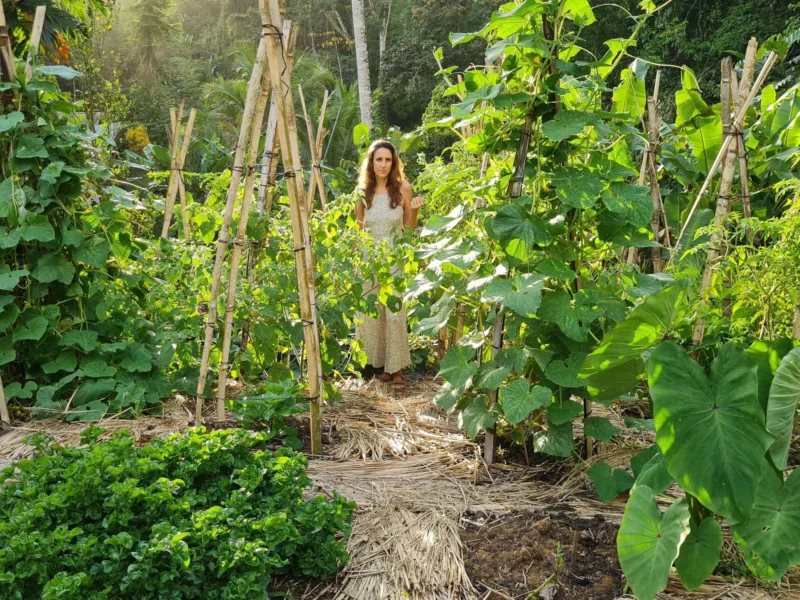
- Trellises for beans and cucumbers
- Wall-mounted planters
- Hanging baskets for herbs
Vertical systems increase output without expanding footprint.
Protect From Extreme Heat
Concrete surfaces reflect heat and raise root temperatures.
To reduce stress:
- Use light-colored containers.
- Add mulch to retain moisture.
- Provide partial afternoon shade.
Creating microclimates allows sensitive crops to survive longer into hot periods.
Incorporate Perennials
Perennial crops stabilize year-round gardens.
Consider adding:
- Lemongrass
- Mint (contained)
- Dwarf banana plants
- Papaya (container varieties)
Perennials reduce replanting and ensure continuous growth.
Monitor Pests Consistently
Warm climates accelerate insect life cycles.
Inspect plants weekly.
Prune affected leaves early.
Use natural pest control methods before infestations spread.
Early action prevents widespread damage.
Growing food year-round in a tropical environment is not about constant planting.
It’s about thoughtful rotation, soil care, and seasonal awareness.
When you align your planting schedule with heat, rainfall, and sunlight patterns, your garden becomes sustainable.
Tropical climates offer incredible opportunity.
With smart planning, your backyard — even a concrete patio — can produce fresh food in every season.
Year-round abundance isn’t luck.
It’s strategy.