Composting in a tropical climate can feel intimidating.
Heat accelerates decomposition — which is good. But humidity and food scraps can also attract pests quickly if the system isn’t managed properly.
If you have a small backyard, patio, or even a mostly cement space, composting is still possible. The key is structure, balance, and airflow.
Here’s how to compost successfully in a tropical setting without creating odors or inviting unwanted visitors.
Step 1: Choose the Right Compost System
In small tropical spaces, containment matters.
Best options include:
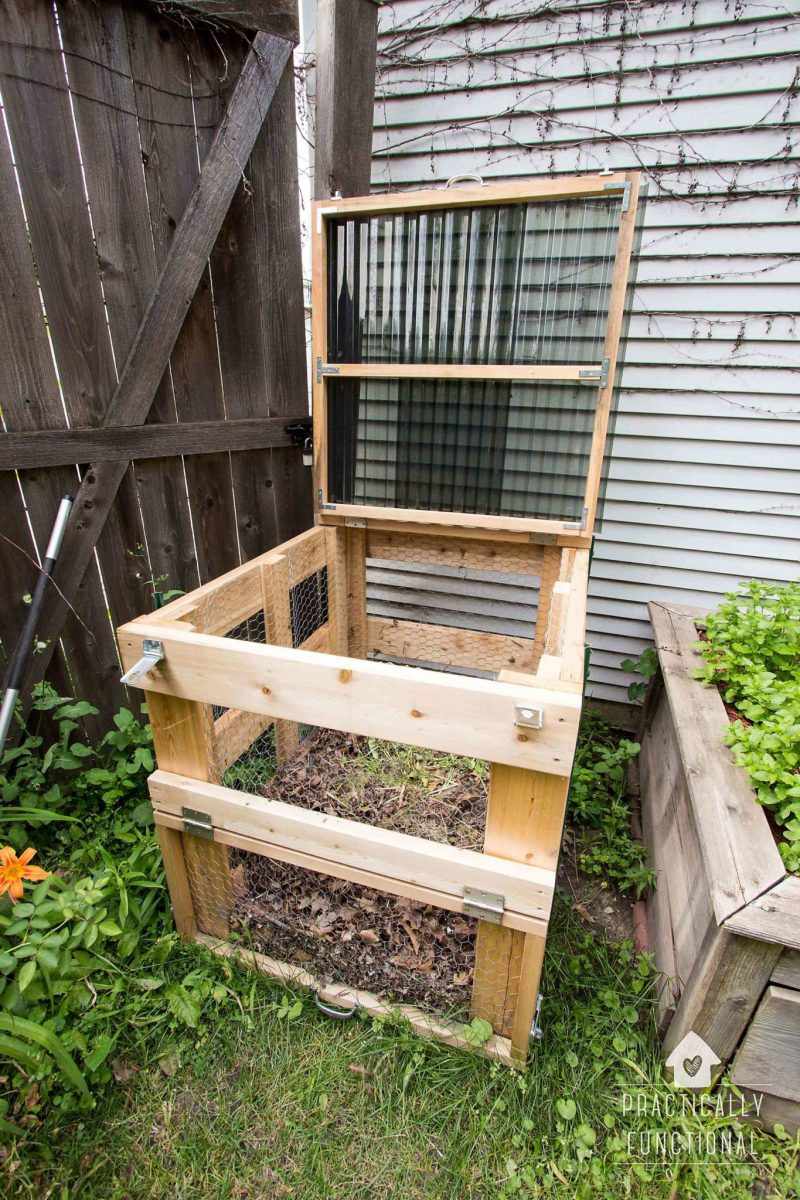
- Enclosed compost bins with lids
- Tumbling composters
- Sealed container compost systems
- Vermicomposting (worm bins)
Open piles may work in large rural gardens, but in compact backyards, enclosed systems reduce odor and pest access.
Placement tip:
- Keep the bin in partial shade.
- Avoid direct afternoon sun to prevent overheating.
Step 2: Balance Greens and Browns
The biggest reason compost smells is imbalance.
“Greens” are nitrogen-rich materials:
- Fruit and vegetable scraps
- Coffee grounds
- Fresh plant clippings
“Browns” are carbon-rich materials:
- Dry leaves
- Shredded paper
- Cardboard
- Coconut husk fiber
In tropical climates, decomposition happens fast — but too many greens create a wet, smelly mess.
A simple rule:
For every bucket of food scraps, add an equal or slightly larger amount of dry material.
Balance prevents odor.
Step 3: Avoid High-Risk Materials
In humid environments, certain items attract pests quickly.
Avoid composting:
- Meat
- Dairy
- Oily foods
- Cooked leftovers
- Large bones
Stick to plant-based scraps and yard waste.
The simpler the inputs, the easier the management.
Step 4: Turn or Aerate Regularly
Tropical heat speeds up microbial activity.
But compost still needs oxygen.
If it becomes compacted and airless, it produces foul smells.
To prevent this:
- Turn compost weekly.
- Use a compost tumbler if space allows.
- Stir the contents with a garden fork.
Airflow keeps decomposition aerobic — and odor-free.
Step 5: Manage Moisture Carefully
Humidity is already high in tropical climates.
Excess water leads to rot.
If compost looks soggy:
- Add extra dry browns.
- Ensure drainage holes are clear.
- Cover bins during heavy rain.
The texture should feel like a damp sponge — not dripping wet.
Step 6: Keep It Covered
A secure lid is essential.
It keeps out:
- Rodents
- Insects
- Heavy rain
Even small compost systems benefit from simple protection.
For worm composting, sealed bins with ventilation holes prevent escape while allowing airflow.
Step 7: Use Finished Compost in Containers
In cement backyards or container gardens, compost is especially valuable.
Add finished compost to:
- Vegetable pots
- Raised beds
- Decorative plant containers
Tropical soil nutrients deplete quickly due to heavy rain and frequent watering.
Regular compost application improves plant resilience.
Why Composting Is Worth It in the Tropics
Warm climates accelerate decomposition.
This means:
- Faster compost cycles
- More frequent soil enrichment
- Reduced organic waste
Instead of throwing scraps away, you build nutrient-rich soil for your garden.
Composting in a small tropical backyard doesn’t have to smell or attract pests.
With the right balance of materials, proper aeration, and moisture control, compost becomes a clean, efficient system.
Even in cement spaces, sustainability is possible.
In tropical climates, nature works fast.
With the right setup, your compost will too.