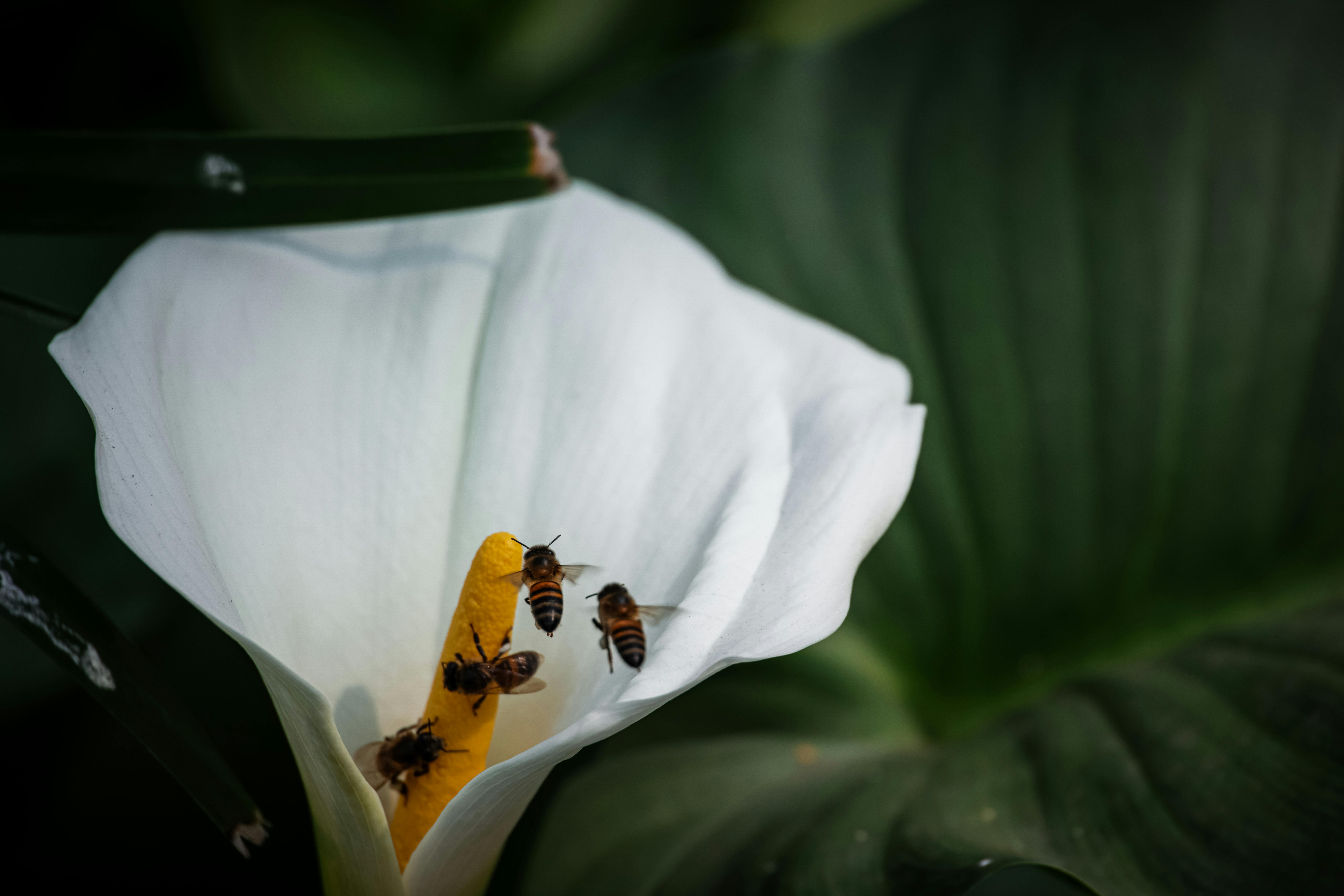
Bees are small, but their impact is enormous. These hardworking pollinators play a vital role in producing one out of every three bites of food we eat. From fruits and vegetables to wildflowers and trees, bees help ecosystems thrive. Yet, due to habitat loss, pesticides, and climate change, bee populations are declining worldwide.
The good news? You don’t have to be a beekeeper to make a difference. By transforming your yard—no matter how big or small—into a bee-friendly space, you can provide safe habitat, nutritious food sources, and a refuge for pollinators. Here’s how to turn your backyard into a buzzing haven that supports bees and helps protect nature.
1. Plant a Variety of Bee-Friendly Flowers
Bees need nectar and pollen from flowers to survive, and the more diverse your garden, the better. Plant flowers that bloom at different times of year so bees always have a food source.
Early spring: Crocuses, lavender, and wild lilac give bees much-needed energy after winter.
Summer: Sunflowers, coneflowers, and black-eyed Susans provide rich nectar and pollen.
Fall: Asters, goldenrod, and sedum extend the feeding season before bees hibernate or migrate.
Choose native plants whenever possible. Native flowers are naturally adapted to your local climate and are more nutritious for native bee species. Avoid hybrids bred for looks rather than pollen, as they may offer little to no food value.
2. Skip the Pesticides
Many pesticides—even those marketed as “natural”—are harmful to bees and other pollinators. They can contaminate nectar and pollen or kill bees outright.
Instead of chemical treatments, embrace natural pest management. Encourage beneficial insects like ladybugs, lacewings, and praying mantises that feed on pests. Companion planting—pairing plants that deter unwanted insects—is another safe and effective strategy.
For example, marigolds naturally repel aphids and nematodes, while basil helps ward off flies and mosquitoes. If you must use any pest control, apply it at dusk or dawn when bees are inactive.
3. Provide a Water Source
Just like any living creature, bees need water for hydration, digestion, and regulating hive temperature. However, deep water bowls can drown them.
Create a bee-friendly watering station by filling a shallow dish with water and placing pebbles or marbles inside. The stones give bees a safe place to land while drinking. Refresh the water regularly and keep it in a shaded area to prevent overheating or algae growth.
4. Create Shelter and Nesting Spots
While honeybees live in hives, most bee species are solitary and nest in the ground, wood, or hollow stems. You can make your backyard more inviting by providing safe nesting sites.
Leave a small patch of bare soil for ground-nesting bees. Avoid covering every inch of your garden with mulch or turf—many solitary bees need direct access to the earth.
You can also hang bee hotels made of bamboo tubes or drilled wood blocks. Place them in a sunny, sheltered location about four feet off the ground. Clean and replace nesting materials each year to prevent parasites and mold.
5. Let Nature Be a Little Wild
A perfectly manicured lawn might look tidy, but it’s often a “green desert” for pollinators. Bees prefer diversity over uniformity. Let parts of your yard grow naturally—skip mowing a section of grass, let dandelions bloom, or allow clover patches to flourish.
Even weeds like milkweed, thistle, and wild asters provide essential food sources for pollinators. You can also plant wildflower strips or create a mini meadow for a natural, low-maintenance landscape that buzzes with life.
6. Support Pollinators Beyond Your Garden
Your efforts can extend beyond your backyard. Buy honey and produce from local, sustainable farms that use bee-friendly practices. Join community initiatives that plant pollinator gardens in public spaces or schools.
Educating neighbors about the importance of bees can also make a difference—encouraging them to avoid pesticides or plant pollinator-friendly flowers multiplies the impact.
If you’re passionate about going further, consider volunteering with a local beekeeping group or wildlife conservation organization.
7. Add Color and Joy to the Cause
Creating a bee-friendly garden isn’t just good for pollinators—it’s good for people, too. Bees are drawn to bright, cheerful colors like blue, purple, and yellow, so designing your garden with them in mind adds both beauty and biodiversity.
Plant in clusters rather than single flowers—bees prefer to forage efficiently, and grouped blooms make it easier for them to gather pollen.
Supporting pollinators is one of the simplest yet most powerful ways to protect nature. Every flower planted, pesticide skipped, or water dish placed makes a difference.
When you create a bee-friendly backyard, you’re not just helping bees—you’re helping the planet. You’re fostering a small ecosystem where plants, pollinators, and people coexist in harmony. And as your garden fills with color, buzz, and life, you’ll find that the sweetest reward is knowing your little patch of earth is making the world bloom brighter.