Concrete doesn’t mean you can’t grow.
Many tropical homeowners look at their cement backyards and assume gardening isn’t possible without soil. But in warm, humid climates, you can grow an abundant, lush garden without planting directly in the ground.
In fact, concrete spaces can offer surprising advantages.
Here’s how to turn a cement backyard into a thriving tropical garden.
Step 1: Embrace Containers and Raised Beds
Concrete eliminates in-ground planting — but it gives you full control over soil quality.
Use:
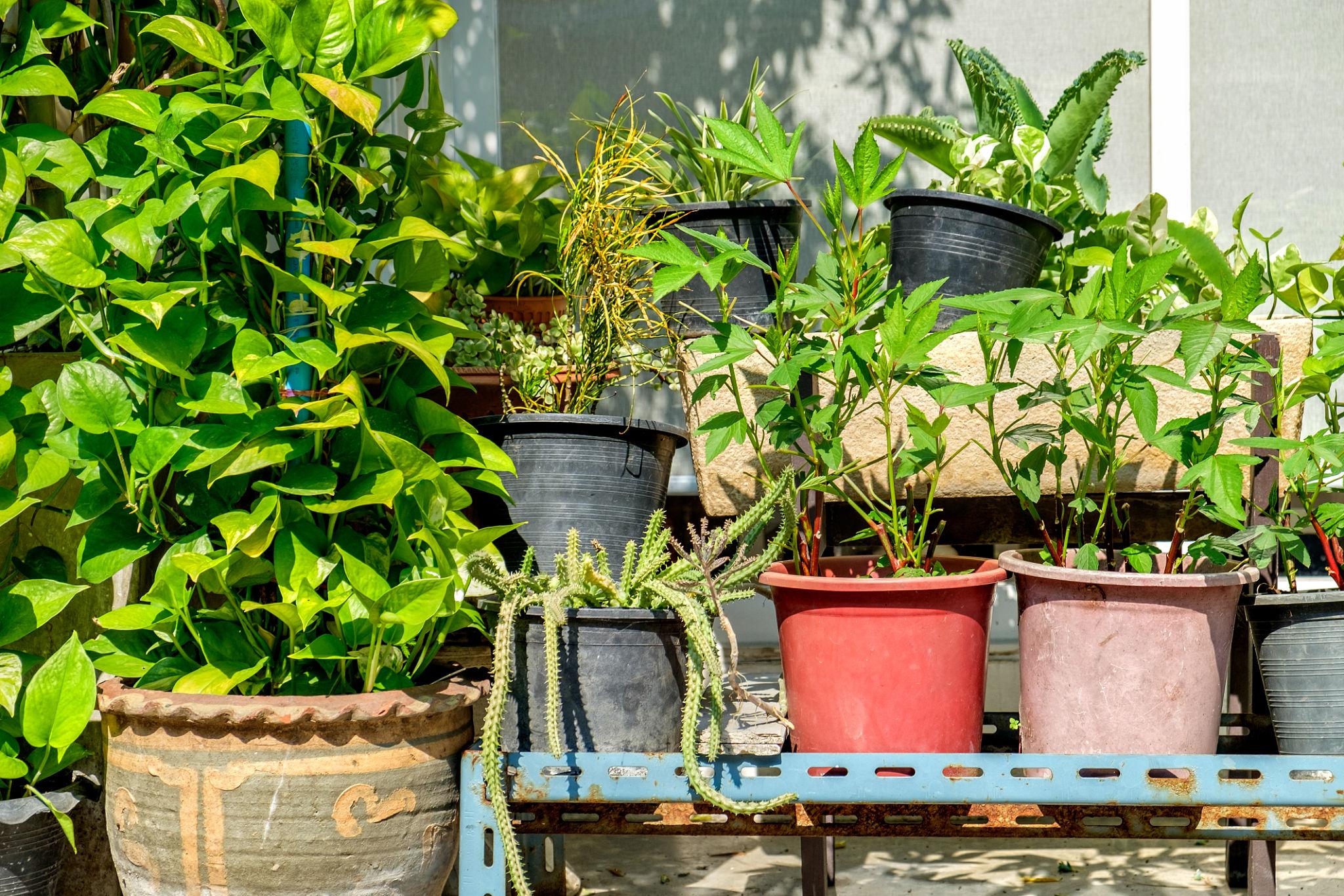
- Large pots (at least 12–18 inches deep for vegetables)
- Fabric grow bags
- Raised wooden or metal beds
- Vertical planter systems
In tropical climates, high-quality soil mix matters more than ground access. Use a blend of:
- Well-draining potting soil
- Compost
- Coconut coir or peat moss
- Perlite for aeration
Good drainage is critical in humid weather.
Step 2: Manage Heat Reflection
Concrete absorbs and reflects heat. In tropical environments, this can stress plant roots.
To reduce heat buildup:
- Elevate pots slightly using plant stands
- Use light-colored containers to reflect sunlight
- Add mulch on top of soil to regulate temperature
- Position taller plants to shade smaller ones
Mulch is especially important. It helps maintain moisture and protects root systems from overheating.
Step 3: Choose Tropical-Friendly Plants
Warm climates allow year-round growth, but not every plant tolerates intense sun and humidity.
Great options include:
- Peppers
- Okra
- Eggplant
- Tomatoes (heat-tolerant varieties)
- Basil
- Mint
- Callaloo or spinach alternatives
- Hibiscus
- Papaya (in large containers)
Herbs and leafy greens often thrive when given partial afternoon shade.
Step 4: Water Strategically
Concrete surfaces cause faster evaporation.
In tropical heat, container plants may need daily watering.
Best practices:
- Water early morning
- Avoid mid-day watering (it evaporates quickly)
- Ensure drainage holes are clear
- Use drip irrigation if possible
Consistency prevents stress cycles that can stunt growth.
Step 5: Go Vertical
If your cement yard is small, grow upward.
Install:
- Trellises
- Wall-mounted planters
- Hanging baskets
- Ladder shelves
Climbing plants like beans, cucumbers, and passionfruit maximize limited space.
Vertical gardens also help soften the look of hard concrete surfaces.
Step 6: Protect From Heavy Rain
Tropical climates often bring intense rainfall.
Too much water can drown container plants.
Solutions include:
- Covered pergolas
- Movable planters
- Elevated drainage trays
- Quick-draining soil mixes
Being able to reposition containers during storms is one advantage of concrete gardening.
Step 7: Feed Your Soil Regularly
Container gardens rely entirely on the soil you provide.
Unlike in-ground gardens, nutrients deplete faster.
Add:
- Compost every few weeks
- Organic liquid fertilizer
- Worm castings
Healthy soil equals resilient plants.
The Hidden Advantage of Concrete Gardens
Concrete eliminates weeds.
It prevents invasive roots.
It gives you layout flexibility.
You can redesign your space at any time.
What feels limiting at first can actually become a strength.
A cement backyard is not a barrier to gardening in a tropical climate.
It is simply a different starting point.
With containers, smart plant choices, and consistent care, you can transform hard surfaces into lush, productive green spaces.
Concrete may be solid.
But with the right strategy, your garden can be even stronger.