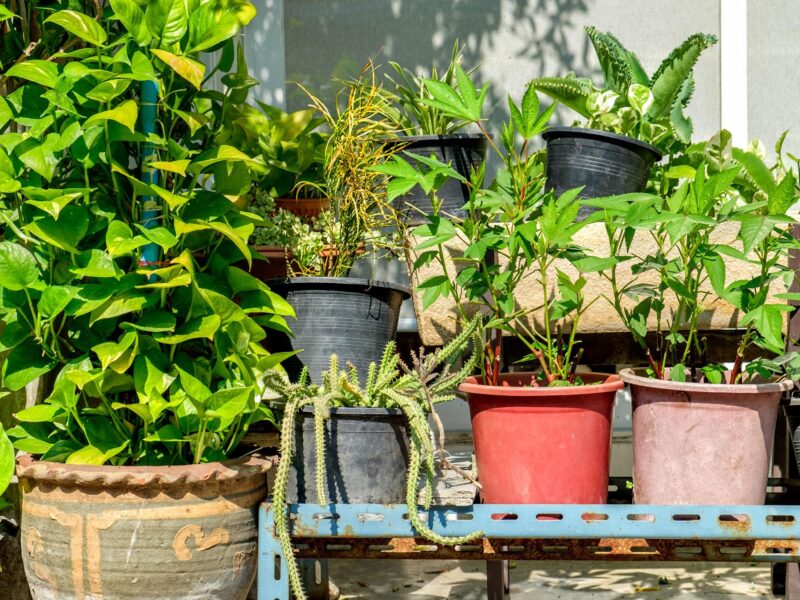
As summer winds down, many gardeners begin to think the growing season is coming to an end. In reality, fall is one of the most important times of year for setting your garden up for long-term success. A thoughtful fall garden reset not only prepares your space for a vibrant spring, but also improves soil health and reduces future maintenance.
Fall planting works because cooler temperatures reduce stress on plants. Roots can establish themselves without the intense heat of summer, allowing plants to focus on growth below the surface. By the time spring arrives, these well-established root systems give plants a strong head start.
One of the most rewarding fall tasks is planting spring-blooming bulbs. Tulips, daffodils, crocuses, and hyacinths all benefit from a winter chilling period. Planting them in fall ensures they receive the cold exposure they need to bloom beautifully in spring. When planting bulbs, choose well-draining soil and place them at the recommended depth to protect them from frost heave.
Fall is also ideal for planting perennials, shrubs, and trees. Cooler air temperatures reduce transplant shock, while warm soil encourages root development. Whether you’re adding ornamental plants or edible shrubs, fall planting gives them months to settle in before spring growth begins. Water thoroughly after planting and apply mulch to regulate soil temperature and moisture.
For vegetable gardeners, fall offers opportunities beyond cleanup. Cold-hardy crops such as spinach, kale, arugula, garlic, and onions can be planted in fall for early harvests the following year. Garlic, in particular, thrives when planted in autumn. It overwinters quietly and produces larger bulbs by early summer.
Soil improvement is a cornerstone of a successful fall garden reset. After removing spent plants, incorporate compost or organic matter into garden beds. This replenishes nutrients depleted during the growing season and supports beneficial microorganisms. Fall amendments have time to break down over winter, creating richer soil by spring.
Mulching plays a crucial role during this period. A layer of organic mulch helps protect soil from erosion, suppresses weeds, and moderates temperature fluctuations. As mulch breaks down, it contributes additional organic matter to the soil. Leaves, straw, and shredded bark are all effective options.
Fall is also a good time to assess and adjust garden layout. Take note of areas that struggled during the season—poor drainage, excessive shade, or overcrowding. Addressing these issues now saves time and frustration later. You might relocate plants, add raised beds, or improve drainage while the garden is less active.
Cleaning tools and structures is another often-overlooked aspect of fall gardening. Disinfecting tools reduces the spread of disease, while repairing trellises and beds ensures everything is ready for spring. Small tasks completed now prevent delays when planting season returns.
Finally, consider planting cover crops if you have unused garden beds. Cover crops such as clover or rye protect soil from erosion, improve structure, and add nutrients. They also help suppress weeds, reducing the work needed in spring.
A fall garden reset transforms the end of the growing season into an opportunity rather than a conclusion. By planting strategically, improving soil health, and addressing structural issues, you create a foundation for success. When spring arrives, your garden will be ready to flourish—healthier, stronger, and more productive than ever.