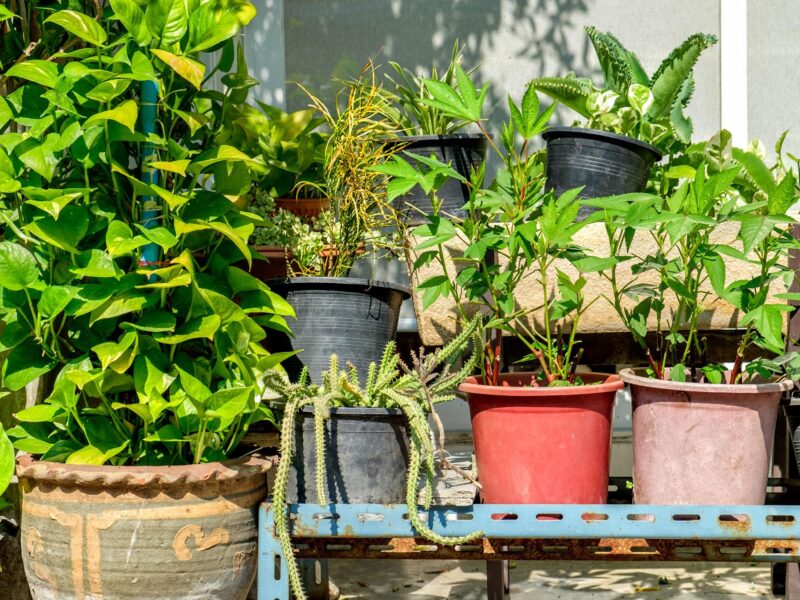
After months of frost, bare branches, and quiet soil, spring brings a fresh start for your garden. The sun returns, the ground begins to thaw, and everything feels ready to grow again. But before you rush to plant new flowers or vegetables, it’s important to wake your garden up properly. A little preparation now will set the stage for a vibrant, healthy growing season.
Here’s a step-by-step guide to help you revive your garden after winter and make sure it’s ready to bloom beautifully this spring.
1. Start with a Clean Slate
Winter leaves behind more than cold air—it brings fallen branches, dead leaves, and leftover debris that can smother new growth. Start by cleaning up your garden beds. Remove sticks, weeds, and any mulch that has become compacted or moldy over the winter.
Clearing away old plant material not only makes your garden look fresh again but also prevents pests and diseases from lingering. Compost what’s healthy and dispose of anything diseased to avoid spreading problems into the new season.
2. Inspect and Prepare the Soil
After months of freezing and thawing, your soil is likely compacted and low on nutrients. Before planting, take time to loosen it up with a garden fork or tiller. Break up clumps gently to restore air pockets and improve drainage.
Next, add organic matter—compost, aged manure, or leaf mold—to nourish the soil. This replenishes nutrients lost over winter and boosts microbial activity.
If you want to get scientific, test your soil’s pH. Most plants prefer a slightly acidic to neutral pH (around 6.0–7.0). If it’s too acidic, add lime; if it’s too alkaline, mix in sulfur or peat moss. Healthy soil is the foundation of a thriving garden.
3. Prune with Purpose
Pruning is one of the most effective ways to encourage new growth. Late winter to early spring is the perfect time to trim most trees and shrubs before they fully leaf out.
Remove any dead, damaged, or diseased branches first. Then thin out overcrowded areas to improve air circulation. For flowering shrubs, prune those that bloom in summer (like hydrangeas or butterfly bushes) now, but wait until after blooming to prune spring bloomers like lilacs or azaleas.
Pruning shapes plants, stimulates growth, and keeps your garden tidy. Always use clean, sharp tools to make precise cuts.
4. Refresh Your Mulch
Mulch plays an essential role in temperature control and moisture retention, but it can break down or compact over winter. Rake out old mulch and replace it with a fresh layer about two to three inches deep.
Use organic materials like shredded bark, straw, or composted leaves. Fresh mulch keeps weeds down, protects emerging shoots from cold snaps, and gives your garden a polished finish.
Just remember to leave a little space around the base of plants and trees so the mulch doesn’t trap moisture against the stems.
5. Divide and Transplant Perennials
Spring is an ideal time to divide overcrowded perennials like hostas, daylilies, and irises. When plants outgrow their space, they compete for nutrients and bloom less.
Use a garden fork to lift the clump, then gently separate the roots into smaller sections, each with healthy shoots and roots attached. Replant the divisions immediately in well-prepared soil, water thoroughly, and watch them flourish.
Transplanting now gives perennials time to establish before the heat of summer.
6. Check Tools and Irrigation Systems
Before the busy season begins, inspect your gardening tools. Clean off any rust, sharpen blades, and oil moving parts. Having well-maintained tools makes gardening faster and more enjoyable.
If you use a hose or drip irrigation system, test it for leaks or clogs. Make sure everything is in working order before planting begins—nothing is worse than realizing your watering system is broken on the first hot day of spring.
7. Plan and Plant Strategically
Once your garden is clean, soil is prepped, and beds are ready, it’s time for the fun part—planting. Start with cool-season vegetables like lettuce, peas, and radishes, or hardy flowers like pansies and snapdragons.
If frost is still a risk in your area, wait to plant tender annuals or warm-season vegetables until later in the season, or use row covers to protect them.
Map out your planting plan early so you know where everything goes. Group plants by sunlight and water needs for easier maintenance.
Spring is nature’s way of giving gardeners a second chance. With a bit of preparation, your garden will bounce back stronger than ever. Cleaning, pruning, feeding, and planning now means fewer problems and more color later.
As the days grow longer and warmer, take a moment to enjoy this transition—the smell of fresh soil, the first sprouts pushing through, and the promise of a new growing season ahead. Your garden is waking up. All it needs is a gentle push from you to bloom into its full potential.